
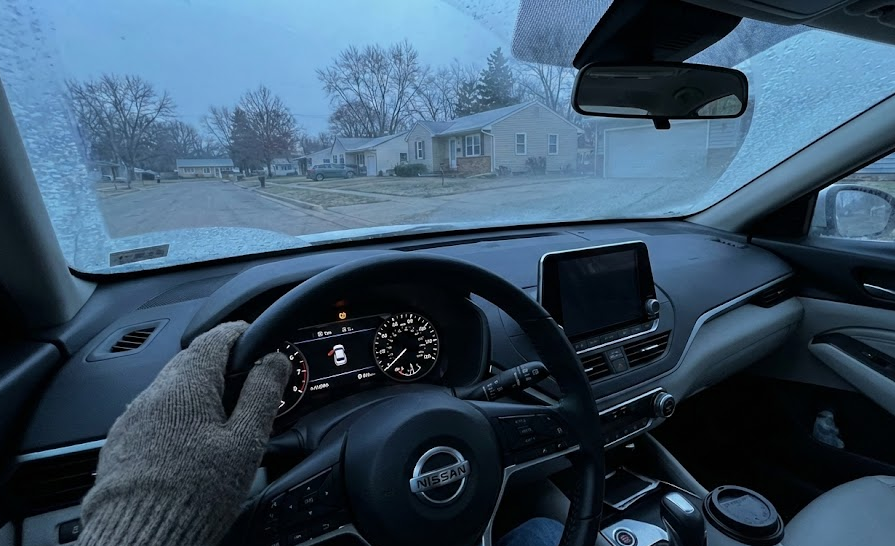
You wake up on a chilly Charlotte morning in November, head out to your Nissan, and suddenly there it is—that amber horseshoe symbol with an exclamation point glowing on your dashboard. Is it a flat tire? Before you panic, take a deep breath. Chances are, your tire isn’t damaged. What you’re experiencing is common when temperatures first drop below 45°F in late November or early December. This warning light doesn’t mean your Nissan has a problem—it just means physics is at work. At East Charlotte Nissan Service, we see this hundreds of times every autumn, and we’re here to walk you through what’s happening and what you should do.
The Science: Why Cold Weather Triggers Your Tire Pressure Light
Here’s what’s happening inside your tires when Charlotte’s temperature dips from the 60s to the mid-40s. Your TPMS isn’t malfunctioning, and your tires probably aren’t leaking. It’s straightforward physics: air molecules inside your tires contract as they cool, taking up less space and creating lower pressure. For approximately every 10-degree temperature drop, tire pressure decreases by about 1 PSI. When Charlotte’s overnight low drops from 62°F in early November to 36°F by December, your tire pressure can easily fall by 2 to 3 PSI, often enough to trigger that warning light.

What’s confusing is that nothing is wrong with your Nissan. The air didn’t leak—it’s simply occupying less volume in the cold. Your tires warm up after 20 minutes of driving and the light may turn off, but you shouldn’t ignore it. Driving on underinflated tires reduces fuel efficiency, causes uneven wear, compromises handling and braking, and increases failure risk. Your TPMS is doing its job by alerting you to a real pressure drop that needs attention.
Is My Tire Punctured or Just Cold? (How to Tell the Difference)
This is the question every Charlotte driver asks when that amber light appears: “Is my tire actually damaged, or is this just the cold weather?” The distinction matters because one requires immediate professional attention while the other just needs a quick air top-off. Here’s how you can tell the difference. First, take a quick visual inspection of all four tires (and your spare, though note that most temporary spares do not have sensors). Walk around your vehicle and look for any obviously flat or visibly deflated tires. A tire that’s lost significant pressure due to a puncture will typically look noticeably different—the sidewall might appear bulged or sagging. If all four tires look roughly the same, you’re likely dealing with temperature-related pressure drop. Next, think about the timing. Did the TPMS light come on right after Charlotte’s first cold snap, perhaps after your car sat outside overnight when temperatures dropped into the low 40s? Did it happen first thing in the morning when the air is coldest? These are classic signs of temperature-related pressure loss.
Another helpful clue is whether the light stays on constantly or flickers on and off. If your TPMS light illuminates solidly and stays on even after you’ve driven for 20 to 30 minutes, there’s a higher chance you have an actual slow leak. However, if the light comes on when you first start your Nissan on a cold morning but then turns off after you’ve been driving, that’s a strong indicator you’re dealing with cold-weather pressure loss. One more important distinction: if your TPMS light is flashing rather than staying solidly illuminated, that indicates a problem with the TPMS system itself—not with your tire pressure. In that case, bring your Nissan to our service center for diagnosis. The bottom line: regardless of whether your pressure drop is caused by cold weather or a slow leak, don’t ignore that warning light. Low tire pressure affects your safety, fuel economy, and tire longevity no matter what caused it. Get your pressure checked and corrected as soon as possible.
Charlotte Drivers: What to Do When the Temperature Drops Below 45°F
Charlotte’s weather patterns create a predictable scenario for TPMS warnings. Our average November highs sit around 62°F, but overnight lows dip to about 40°F, and by December, we’re seeing average lows of 36°F with some mornings dropping into the low 30s. That 20-to-30-degree temperature swing between afternoon and morning is exactly what triggers TPMS lights across the Charlotte area. When you know a cold front is moving through—which happens several times between November and February—you can take proactive steps to prevent that warning light. The smartest approach is to check and adjust your tire pressure before the temperature drops, ideally when your tires are cold (meaning your vehicle has been parked for at least three hours). You’ll find your Nissan’s recommended tire pressure on a sticker inside the driver’s side doorjamb, typically calling for between 32 and 35 PSI depending on your specific model.
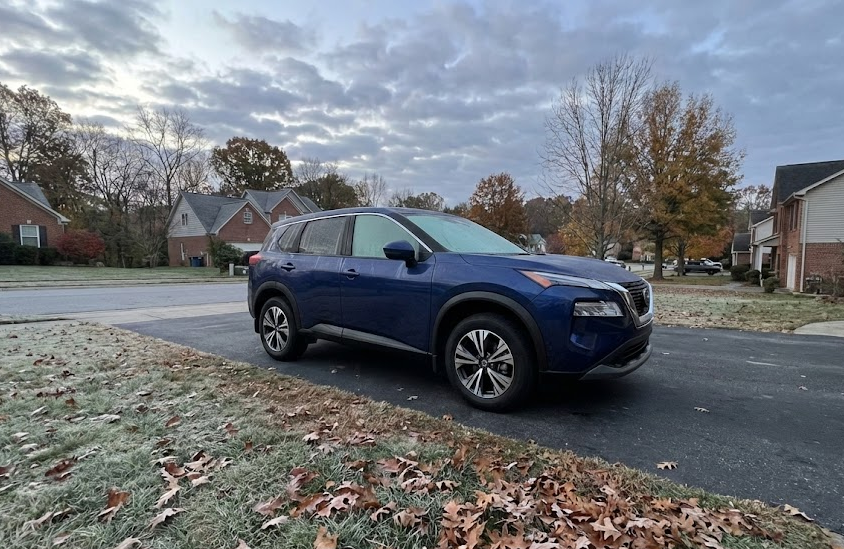
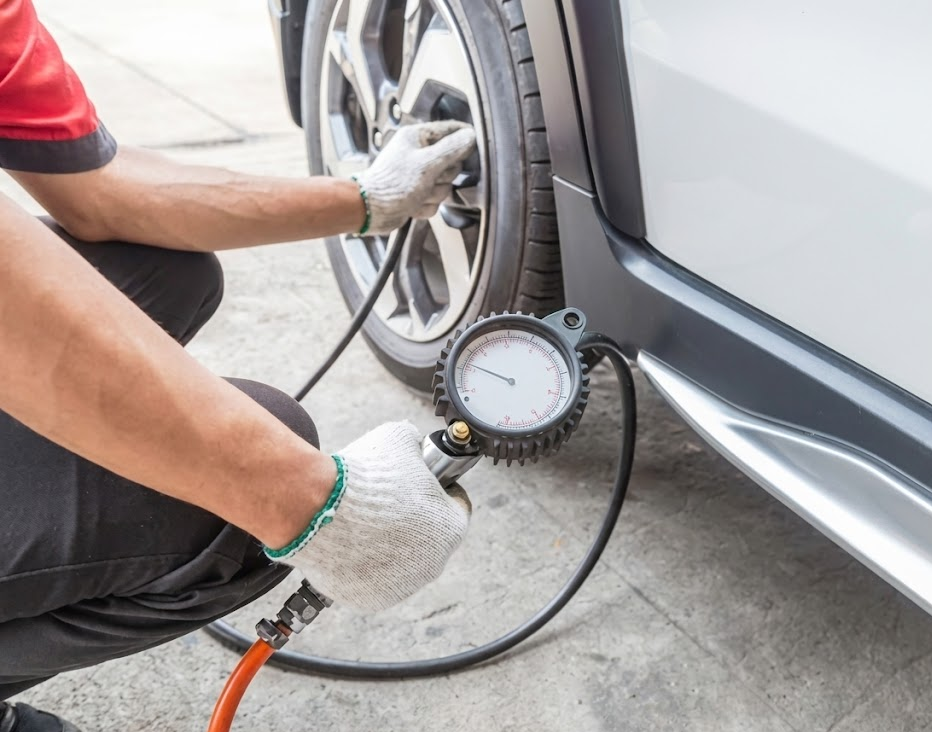
If you want to handle this yourself, you’ll need a reliable tire pressure gauge and access to an air compressor at most gas stations around Charlotte. Check each tire when cold, compare to your vehicle’s recommended PSI, and add air as needed. However, here’s where many Charlotte drivers run into frustration: standing outside at a gas station on a cold December morning trying to figure out whether you’ve added enough air is nobody’s idea of a good time. There’s a much easier solution: swing by East Charlotte Nissan Service and let our Express Service team handle it. We offer complimentary tire pressure checks and fills, which means you can drive in, let our technicians check all four tires plus your spare, fill them to your Nissan’s exact factory specifications, and verify that your TPMS light resets—all without you having to brave the cold or worry about accuracy.
DIY vs. Professional: When to Visit East Charlotte Nissan Service
There’s nothing wrong with checking your own tire pressure if you’re comfortable doing so. Many Charlotte drivers successfully maintain their tire pressure throughout winter using a home air compressor or gas station air pumps. However, there are several compelling reasons why bringing your Nissan to our service center makes more sense, especially during Charlotte’s cold season. First, our complimentary tire fill and check service means you’re not paying anything—we’re offering it as part of our commitment to keeping Charlotte drivers safe. Second, our factory-trained technicians don’t just add air; they visually inspect each tire for signs of damage, uneven wear, embedded objects that might cause slow leaks, and other issues you might not notice during a quick DIY check. This catches potential problems before they become expensive repairs or dangerous blowouts on I-485 or Independence Boulevard.
Third, our team can distinguish between simple temperature-related pressure drop and an actual slow leak that needs repair. Many Charlotte drivers waste time repeatedly adding air to a tire that has a small puncture, never realizing the real problem. Our technicians have the tools and experience to identify these issues quickly, saving you frustration. Beyond the immediate tire concern, our Nissan Express Service is designed for quick, convenient maintenance that fits your busy schedule. We have two dedicated bays that handle tire rotations, pressure checks, oil changes, and routine maintenance in about 45 minutes, meaning you can stop by during lunch, grab free coffee in our comfortable lounge with WiFi, and get back to your day. And if you prefer not to wait, our complimentary shuttle service can drop you off anywhere within 15 miles, or for longer repairs, you can use one of our complimentary loaner vehicles.
How We Help: Complimentary Tire Checks & Express Service
At East Charlotte Nissan Service, we’ve built our service approach around making vehicle maintenance effortless and stress-free for Charlotte drivers. Our complimentary tire fill and check isn’t just a quick glance—it’s a thorough inspection that ensures your Nissan is safe for Charlotte’s varied weather conditions. When you bring your vehicle to our service center, our technicians check the current pressure in all four tires plus your spare using professional-grade digital gauges. We then compare those readings to your Nissan’s factory-recommended specifications and fill to the precise level using our calibrated equipment, ensuring you’re not overinflated (which causes harsh ride and center tread wear) or underinflated (which reduces fuel economy and causes outer edge wear).

While handling your tire pressure, our technicians also perform a visual safety inspection of each tire, looking for uneven wear patterns that might indicate alignment issues, embedded objects like nails that could cause slow leaks, sidewall damage or bulges, and overall tread depth to ensure adequate grip for wet Charlotte roads. This catches small issues before they become big problems, potentially saving you hundreds in tire replacement costs. After we’ve completed the service, we’ll reset your TPMS system if needed so that warning light turns off, and we’ll let you know about any concerns. The entire process typically takes less than 30 minutes as part of our Express Service. Plus, with genuine Nissan parts and factory-trained technicians who specifically understand your Nissan’s TPMS system, you’re getting expert service that generic tire shops simply can’t match.
Understanding Your Nissan’s TPMS System
| TPMS Indicator | What It Means | What You Should Do |
|---|---|---|
| Solid amber light on startup | One or more tires are 25% below recommended pressure | Check tire pressure within 24 hours; safe to drive short distances |
| Light turns off after 20+ minutes of driving | Likely cold-weather pressure drop; tires warm up temporarily | Still need to check and adjust pressure to proper cold tire specs |
| Flashing TPMS light | TPMS system malfunction—sensor issue or system error | Schedule service appointment for TPMS system diagnosis |
| Light stays on after filling tires | Possible slow leak or system needs manual reset | Visit service center for professional diagnosis |
Note: Newer Nissan models show individual tire pressures on the dashboard, making it easier to identify which tire needs attention.
Frequently Asked Questions
Q: Will the TPMS light turn off by itself once the weather warms up?
A: Sometimes the light will turn off as tires warm up from driving or when outdoor temperature increases. However, driving on underinflated tires reduces your safety and fuel economy. Check your tire pressure and fill to proper specifications rather than waiting.
Q: How much air pressure does a tire lose in cold weather?
A: Tire pressure decreases by approximately 1 PSI for every 10-degree drop in temperature. A 30-degree swing from 65°F to 35°F could decrease pressure by about 3 PSI, enough to trigger your TPMS warning light.
Q: Does a TPMS light mean I have a flat tire?
A: Not necessarily. The light means one or more tires have dropped to at least 25% below recommended pressure, which could be caused by cold weather or an actual leak. Our technicians can quickly determine the cause.
Q: Is it safe to drive my Nissan with the TPMS light on?
A: You can safely drive short distances to reach a service station, but prolonged driving on underinflated tires compromises handling, increases stopping distances, and raises the risk of tire failure. Address the warning as soon as possible.
Don’t Guess—Get a Complimentary Tire Check Today
Is that warning light bothering you every time you start your Nissan? Don’t fumble with tire gauges in the cold or wonder whether you’ve added enough air. The factory-trained technicians at East Charlotte Nissan Service are here to handle it quickly, accurately, and at no charge. We’ll check your tire pressure, fill your tires to the manufacturer’s exact specifications, inspect for potential issues, and reset your TPMS light so you can drive with confidence.
Our Express Service is designed for busy Charlotte drivers who need fast, professional service without long wait times. Stop by any weekday and let us take care of your tire pressure in about 45 minutes while you enjoy free coffee and WiFi in our comfortable lounge, or take advantage of our complimentary shuttle service. With genuine Nissan parts, factory-trained technicians, and transparent service, we’re here to keep you safe on Charlotte’s roads all winter long.
Click here to schedule your complimentary tire inspection and get back to worry-free driving!
Or visit us at East Charlotte Nissan Service, 6901 E Independence Blvd, Charlotte, NC 28227, and let our certified technicians ensure your tire pressure is exactly where it should be for safe driving throughout Charlotte’s winter weather.